

Selling in San Diego and Buying in South Florida: How Do You Time Both?
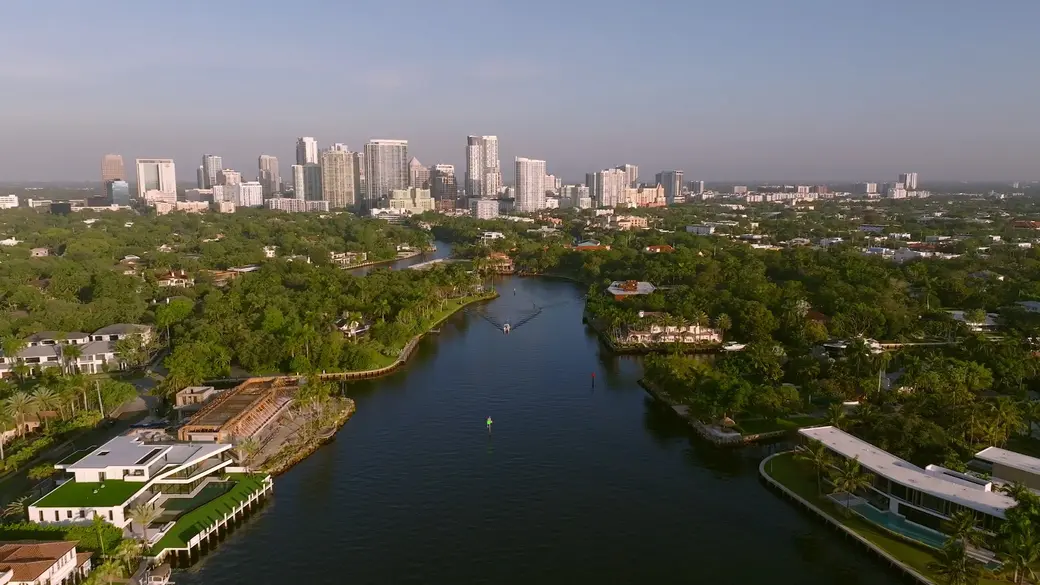
If you're selling in San Diego and buying in South Florida, the timing comes down to one decision: sell first, buy first, or close both close together. Most families sell first with a short rent-back. The right choice depends on your equity, your financing, and how much overlap you can live with.
That's the short version.
I work on both coasts, so I see this move from both sides. A home in Carlsbad or Encinitas and a home in Fort Lauderdale or Boca can't close on the same table. But they can be timed so you're not paying for two places for months, or living in a hotel.
Here's how I'd walk you through it.
Key takeaways
- Decide your order first: sell first, buy first, or a coordinated close. Everything else follows from that.
- Know your net from the San Diego sale before you make an offer in Florida.
- Florida's homestead exemption is based on where you live on January 1, so the calendar can matter.
- Your California property tax base doesn't follow you to Florida, and Florida's Save Our Homes cap doesn't carry over from the seller.
- Build buffer days into both escrows. Two states, two title companies, and a moving truck crossing the country.
Should you sell your San Diego home first or buy in Florida first?
There's no single right answer. I'd want you to know the trade-offs before you pick one.
Sell first. You know exactly what you have to spend, and you buy in Florida with cash in hand or a clean, non-contingent loan. The trade-off is that you may need short-term housing in between, or a rent-back on your San Diego home.
Buy first. You find the right home in Fort Lauderdale, Miami, or Broward without pressure, and you move once. The trade-off is carrying two homes for a while, and you need financing that works without the San Diego proceeds.
Coordinated close. You list in San Diego, go under contract, then make your Florida offer with closing dates lined up a few days apart. It's the cleanest result when it works, but it depends on both deals staying on schedule.
For most of the families I talk to, selling first with a short rent-back is the least stressful path. But if you have the equity and the lender approval to buy first, it can make the move much calmer.
How do you know what you can spend in Florida?
Start with your net, not your sale price.
Your San Diego proceeds are what's left after your loan payoff, commissions, escrow and title fees, any repairs or credits, and taxes. That's the number your Florida budget should be built on.
I broke this down step by step in What Will I Net Selling My House in North County San Diego?
A few things I'd look at early:
- Capital gains. The IRS lets you exclude up to $250,000 of gain on your main home, or up to $500,000 if you file jointly, if you meet the ownership and use tests. If you've owned in North County for a long time, your gain may be higher than that.
- California withholding. California requires withholding on many real estate sales, but a sale of your principal residence can qualify for an exemption, claimed on Form 593 in escrow. Your escrow officer will walk you through it.
- Your Florida closing costs. If you finance, Florida charges documentary stamp tax on the mortgage at 35 cents per $100 of the amount secured, according to the Florida Department of Revenue. Ask your lender for a full estimate up front.
How does Florida's homestead exemption affect your timing?
This is the one I'd want every California seller to know.
In Florida, you're entitled to the homestead exemption if you've made the home your permanent residence as of January 1 of that tax year. The Broward County Property Appraiser explains that January 1 is the date permanent residency is determined, and the timely filing deadline is March 1.
So if you close in Florida in late December and actually move in, you may be able to file for the following year. Close in early January, and you'd generally wait another year.
A few other tax points matter too:
- The Save Our Homes cap doesn't transfer to you. When you buy, your assessed value generally starts over at market value, no matter what the seller was paying.
- Portability is for moves within Florida. Broward's own form instructions note it isn't available to people moving in from another state.
- Your California tax base stays in California. Your Prop 13 base doesn't travel with you.
I compared the two systems in more detail in Florida vs. California Property Taxes Explained. Your CPA can tell you how this fits your full picture.
What time of year makes the move easier?
It depends on what you're trying to protect.
On the San Diego side, I'd think about your family's calendar first: the school year, a job start date, and when you can realistically be packed and gone.
On the Florida side, I'd think about two things:
- Hurricane season. The Atlantic hurricane season runs from June 1 to November 30, according to the National Hurricane Center. That doesn't stop people from buying, but it's one more reason to have your insurance quote in hand early.
- January 1. If the homestead exemption matters to you, a closing and move-in before the new year can make a real difference.
Flood is its own conversation. Florida sellers must give buyers a flood disclosure, and standard homeowners policies generally don't cover flood. I'd check the property on the FEMA Flood Map Service Center before you fall in love with it.
How do you line up two closings in two states?
Carefully, and with buffer.
Ask for a rent-back. On your San Diego sale, a short rent-back lets you stay in your home after closing while your Florida purchase finishes. It takes pressure off both sides.
Leave a few days between closings. If the San Diego funds need to arrive in Florida for your purchase, give the wire time. Same-day closings across three time zones leave no room for a delay.
Ask about remote signing early. Many buyers and sellers don't fly in for closing. Your title company or escrow officer can tell you what they allow and what needs a notary.
Watch for wire fraud. Always call your escrow or title company at a number you already know before sending money. Never trust wiring instructions that arrive by email alone.
Book movers around the closings, not the other way around. A cross-country move can take days or weeks to arrive. I'd plan where you'll stay if your furniture lands after you do.
Where in South Florida should you look?
That's a lifestyle question as much as a money one.
Some San Diego families want the boating life and walkability of Fort Lauderdale, especially around Las Olas and the waterways. Others want the energy of Miami, or the quieter, more suburban feel in parts of Broward County.
If you're starting from scratch, I'd read Fort Lauderdale Real Estate: A Complete Neighborhood Guide for Buyers and Moving From California to Florida in 2026. Then we'd talk through what matters most to you.
What I'd do
- Decide your order: sell first, buy first, or a coordinated close.
- Get a pricing analysis and a net sheet on your San Diego home.
- Talk to a lender about financing in Florida, including whether you can buy before you sell.
- Get insurance and flood quotes on the Florida homes you like before you make an offer.
- Check your capital gains and your homestead timing with your CPA.
- Ask for a rent-back on the San Diego sale if you need more time.
- Leave buffer days between closings and confirm wiring instructions by phone.
- Book movers and short-term housing around your closing dates.
Ready to plan your San Diego to South Florida move?
I'm licensed in both California and Florida, and I have a team in South Florida. I work directly with every client, so you have one person coordinating both sides of your move.
If you're thinking about selling in North County San Diego and buying in Fort Lauderdale, Miami, or Broward, reach out. I'll help you choose the right order, estimate your net, and build a timeline that actually works for your family. You can also see how I help with the move on my California to Florida relocation page.
FAQs
Should I sell my California home before buying in Florida?
For many families, selling first is less stressful because you know your budget and avoid carrying two homes. A short rent-back on your California sale can give you time to close in Florida. If you have the equity and lender approval, buying first lets you move only once.
When do I need to live in my Florida home to get the homestead exemption?
Florida determines homestead eligibility based on your permanent residence as of January 1 of the tax year. In Broward County, the timely filing deadline is March 1. Closing and moving in before January 1 can matter.
Can I transfer my California property tax base to Florida?
No. Your Prop 13 base stays in California. In Florida, your assessed value generally starts at market value when you buy, and portability is only for moves between Florida homesteads.
Do I have to pay capital gains tax when I sell my San Diego home?
You may be able to exclude up to $250,000 of gain, or $500,000 if married filing jointly, if you meet the IRS ownership and use tests for your main home. Gain above that may be taxable, so it's worth estimating before you list.
Can I close on both homes on the same day?
It's possible, but I'd usually leave a few days between closings. Funds have to wire across the country, and a small delay on one side can hold up the other. A rent-back or short-term rental gives you breathing room.
About the Author
Marija Peshevska is a REALTOR® with Coastal Connect Realty at Real Brokerage, serving North County San Diego, including Carlsbad, Del Mar, Solana Beach, Encinitas, Rancho Santa Fe, San Marcos, Carmel Valley, and Oceanside. She specializes in relocation and senior and estate transitions. Marija is licensed in California (DRE #02050824) and Florida (SL3627694) and speaks English, Spanish, and Macedonian.
Categories
Recent Posts









Coastal Connect Realty