

Buying a Luxury Home in Fort Lauderdale: What I'd Want You to Know Before You Buy
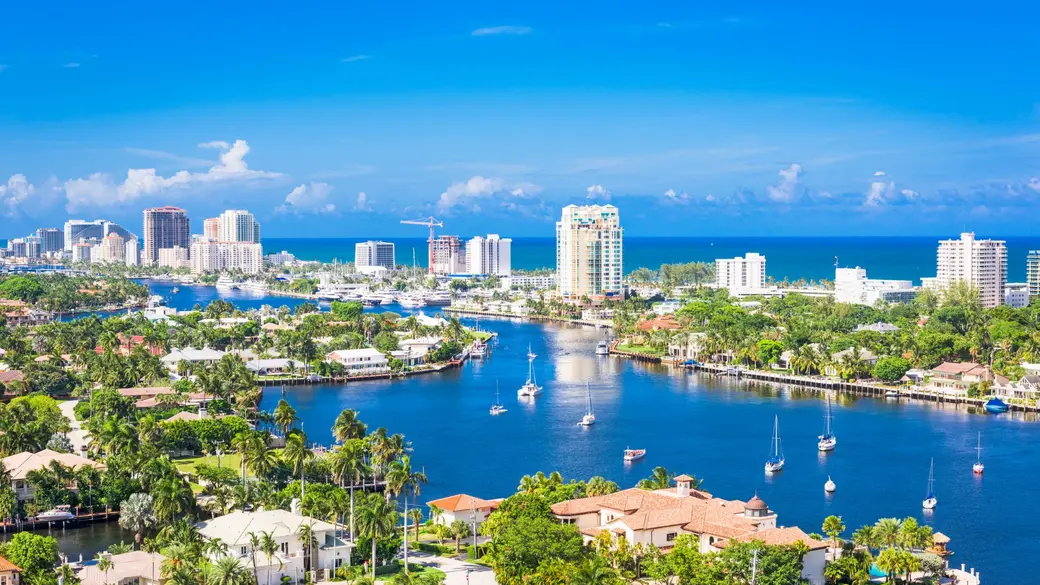
Buying a luxury home in Fort Lauderdale is less about finding the prettiest house and more about checking what's behind it. I'd want you to verify the seawall, dock, and boating route, the flood zone and insurance, the building's inspections if it's a condo, and what your property tax bill will be after you buy, not before.
That's the short version.
The longer version is where a lot of buyers, especially those coming from California, get surprised.
I'm licensed in both California and Florida, and I have a team on the ground in South Florida. So I see both sides of this move. Here's what I'd walk you through.
Key takeaways
- Choose the neighborhood by how you'll actually use the water, not just by the view.
- On a waterfront home, the seawall and dock are part of the purchase. Inspect them like the house.
- Get flood and insurance answers during your inspection period, not after.
- In Florida, the seller's property tax bill is not your future tax bill.
- Your California Prop 13 base doesn't come with you. Plan your homestead filing early.
Which Fort Lauderdale waterfront fits how you'll live?
The City of Fort Lauderdale describes itself as having seven miles of shoreline and more than 300 miles of waterway coastline. That's a lot of choice.
So I start with how you'll use it.
Las Olas Isles. The finger isles off Las Olas Boulevard put you on the water and close to dining, shopping, and the beach. Buyers compare canal width, dock length, and how far the home sits from open water.
Harbor Beach. Estate homes on the water near the ocean and Port Everglades. Buyers here often focus on privacy, dockage for larger boats, and the condition of the home and seawall.
Rio Vista. Mature trees and a mix of homes along the New River and nearby canals, close to downtown and Las Olas. Buyers often weigh land value, renovation potential, and which homes sit on the water.
Coral Ridge and the Galt Ocean Mile area. A mix of canal-front homes, interior streets, and oceanfront condominiums. Good for buyers who want the beach close by in a more residential setting.
I covered these neighborhoods in more depth in Fort Lauderdale Real Estate: A Complete Neighborhood Guide for Buyers. This post is about what to check once you've found a home you love.
What should you check on a waterfront home?
In San Diego, an ocean view is usually something you look at. In Fort Lauderdale, the water is something you use, and maintain.
The seawall. The City of Fort Lauderdale updated its seawall ordinance on March 23, 2023, setting a minimum top elevation for seawalls and other tidal barriers. According to the city, an owner may have to raise a seawall when building a new one, when it's in significant disrepair (damage to more than 50% of the structure), or after being cited for tidal water breaching it onto a neighbor's property or the right of way.
That makes the seawall's height and condition a real budget item. I'd want a qualified marine contractor or engineer to look at it.
The dock, lift, and permits. Ask for permits and records for the dock, boat lift, and any recent marine work.
Your route to the ocean. If you own a boat, or plan to, check water depth, canal width, and any bridges between the dock and the inlet against your boat's size. "Ocean access" can mean very different things.
The survey. Confirm what you're actually buying, including the property line along the water.
How do flood and insurance work in Fort Lauderdale?
This is the part I'd never leave until the end.
Start with the flood zone. You can look up any address on FEMA's Flood Map Service Center. Ask whether the home has an elevation certificate, too. Insurers use it.
Florida also requires a flood disclosure for residential sales. The seller has to say whether they know of flooding that damaged the property while they owned it, whether they filed a flood insurance claim, and whether they received flood assistance, such as from FEMA. The same form reminds buyers that homeowners insurance doesn't cover flood damage.
Read it closely.
Then get real insurance quotes, for wind and flood, during your inspection period. A wind mitigation inspection is worth ordering, because features like the roof and impact windows can matter to your premium.
I'd want you to know your full cost of ownership before you're committed.
Buying a condo instead?
A lot of luxury buyers choose a high-rise on the beach or near Las Olas. It's a great lifestyle. It just comes with different homework.
Florida requires milestone structural inspections for many condominium and cooperative buildings as they age. I'd ask for:
- The building's inspection reports and any required repairs
- Reserve studies and the budget, so you can see how future work will be funded
- Board minutes, for planned projects and special assessments
- The association's insurance and what your own policy needs to cover
- Rules on rentals, pets, renovations, and parking or boat slips
Before you sign, a Florida real estate attorney can review these with you.
What will your property taxes and closing costs look like?
This is where California buyers get surprised most often.
The seller's tax bill won't be yours. Florida's "Save Our Homes" cap limits yearly increases in assessed value on a homesteaded home. But according to the Broward County Property Appraiser, it doesn't carry over when a property sells. The new owner starts over. If the sellers have owned for years, their bill can be much lower than yours will be.
Your California tax base stays in California. Florida's portability benefit only moves from one Florida homestead to another. Broward's portability form instructions say it isn't available to people moving from another state.
Homestead timing matters. If it's your permanent home, the homestead exemption is based on your residence as of January 1, and the timely filing deadline is March 1.
Florida's Amendment 3. Florida voters approved it on November 3, 2026. It raises the non-school homestead exemption from $50,000 to $150,000 in 2027 and $250,000 in 2028, according to the News Service of Florida. Local reporting on the measure says people who move to Florida later may get the current exemption for their first few years before the larger one applies, so I'd confirm exactly how it applies to you with the Broward County Property Appraiser before you set a budget. I compared the two states in Florida vs. California Property Taxes: What Buyers Should Know.
Documentary stamp tax. In Broward County, the tax on a deed is 70 cents per $100 of the price, according to the Florida Department of Revenue. On a $3,000,000 home, that's $21,000. All parties are legally liable for it, so who pays is set in the contract. If you finance, the mortgage carries its own stamp tax of 35 cents per $100 of the amount secured.
What's different about the buying process?
A few things will feel unfamiliar if you've bought in California.
- Different contracts. Florida uses its own purchase contract forms, with their own deadlines for inspections, financing, and closing.
- A different closing. Florida closings are typically handled by a title company or a real estate attorney, not an escrow company.
- Distance. Many buyers start their search from another state. Video tours help, but I'd still want you to see your top choices in person, ideally at high tide and after a heavy rain.
- Selling first, or not. If you're also selling in California, we'd plan both timelines together. My California to Florida relocation guide covers the bigger picture.
What I'd do
- Decide how you'll use the water: boat size, ocean access, or view only.
- Look up the flood zone for every home on your shortlist.
- Get insurance quotes before your inspection period ends.
- Have the seawall and dock inspected along with the house.
- For condos, read the inspection reports, reserves, and minutes.
- Budget property taxes on your purchase price, not the seller's bill.
- Calendar your homestead filing if Florida will be your permanent home.
Thinking about a luxury home in Fort Lauderdale?
I work directly with every client, and I have a team in South Florida for the on-the-ground pieces.
If you're in San Diego and considering Fort Lauderdale, I can help on both ends: selling here and buying there. I speak English, Spanish, Macedonian, and Croatian, so we can work in the language you're most comfortable with. Reach out, and let's talk through what you're looking for and what it will really cost.
FAQs
What should I check before buying a waterfront home in Fort Lauderdale?
Check the seawall's height and condition, the dock and lift permits, the survey, and your boating route to the ocean. Also look up the flood zone and get wind and flood insurance quotes during your inspection period.
Will my property taxes be the same as the seller's in Fort Lauderdale?
Usually not. Florida's Save Our Homes cap doesn't transfer to a buyer, so the home is reassessed after the sale. Budget based on your purchase price and confirm with the Broward County Property Appraiser.
Can I bring my California Prop 13 tax base to Florida?
No. Florida's portability benefit only applies when moving from one Florida homestead to another. If Florida becomes your permanent home, you can apply for the homestead exemption, with a March 1 filing deadline.
How much is the documentary stamp tax on a home in Fort Lauderdale?
In Broward County, it's 70 cents per $100 of the price on the deed, or $21,000 on a $3,000,000 home. Financed buyers also pay 35 cents per $100 on the mortgage.
Do Florida sellers have to disclose flooding?
Yes. Florida's required flood disclosure asks whether the seller knows of flood damage during their ownership, filed a flood insurance claim, or received flood assistance such as from FEMA.
What should I ask for when buying a luxury condo in Fort Lauderdale?
Ask for the building's milestone inspection reports, reserve studies, budget, board minutes, and the association's insurance details. These show the building's condition and whether special assessments may be coming.
About the Author
Marija Peshevska is a REALTOR® with Coastal Connect Realty at Real Brokerage, serving North County San Diego, including Carlsbad, Del Mar, Solana Beach, Encinitas, Rancho Santa Fe, San Marcos, Carmel Valley, and Oceanside. She specializes in relocation and senior and estate transitions. Marija is licensed in California (DRE #02050824) and Florida (SL3627694) and speaks English, Spanish, and Macedonian.
Recent Posts








Coastal Connect Realty